


Lab-grown and natural diamonds share the same fundamental chemical composition, crystal structure, and optical properties. The primary difference is their origin: natural diamonds form beneath the Earth's surface over billions of years, while lab-grown diamonds are created in controlled laboratory environments using advanced technology.
But what does that difference mean when it comes to diamond grading? Are lab-grown diamonds evaluated using the same standards as natural diamonds? Can you tell them apart just by looking at them? And how does their origin affect their value?
Understanding how these diamonds are graded can help you make a more informed decision when shopping for a diamond.
Both lab-grown and natural diamonds can be evaluated using the traditional 4Cs: cut, color, clarity, and carat weight. These characteristics provide a framework for assessing a diamond's physical attributes and overall quality.
However, the grading process and criteria can vary depending on the grading laboratory. While many established grading systems evaluate both diamond types, the standards and terminology used for lab-grown diamonds are not necessarily identical to those used for natural diamonds.
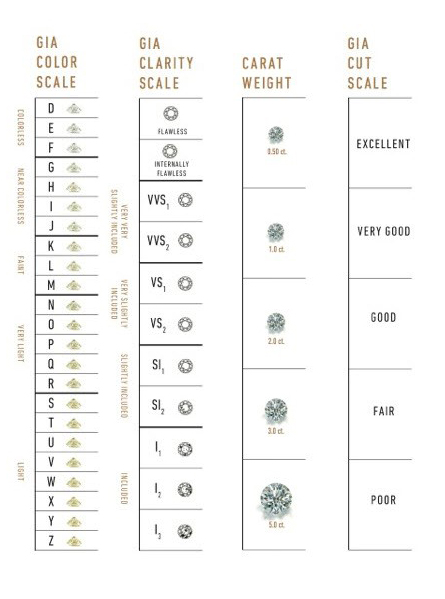
The 4Cs also don't capture every characteristic that may influence how a diamond looks in person. Two diamonds with similar grades can differ in brightness, light return, color undertones, and the visibility of growth-related features.
This is particularly relevant for lab-grown diamonds, which can exhibit characteristics associated with their growth process. A closer evaluation of these features can provide additional information beyond a traditional grading report.
VeraLume takes a more detailed approach to lab-grown diamond grading by evaluating characteristics that extend beyond the traditional 4Cs.
Its grading system incorporates several areas of assessment:

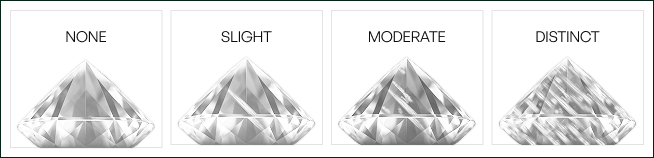
By assessing these characteristics, VeraLume aims to give consumers a more comprehensive understanding of the lab-grown diamonds they are considering.
To the naked eye, lab-grown and natural diamonds can look virtually identical. Both can exhibit the same brilliance, fire, and scintillation, and even experienced jewelers generally cannot reliably distinguish between them through visual inspection alone.
Although their chemical and physical properties are substantially the same, lab-grown and natural diamonds can contain different growth-related characteristics. These differences can be identified using specialized gemological instruments and advanced testing methods.
For example, certain inclusions, growth patterns, and other microscopic features can provide clues about a diamond's origin. Gemological laboratories can also use specialized equipment to examine characteristics that are not visible during an ordinary inspection.
A diamond's origin therefore cannot be reliably established by appearance alone. Professional testing is often necessary to determine whether a diamond formed naturally or was created in a laboratory.
Lab-grown and natural diamonds can differ significantly in market value and long-term resale potential.
Natural diamonds are limited by their geological formation and the finite supply of mined stones. Their prices are influenced by factors including rarity, quality, market demand, and broader economic conditions.
Lab-grown diamonds, on the other hand, can be produced using technology that continues to advance. As production becomes more efficient and supply changes, the market prices of lab-grown diamonds can fluctuate considerably.
As a result, lab-grown diamonds have generally experienced greater price declines over time than natural diamonds, and their resale values may be substantially lower relative to their original retail prices.
However, neither category guarantees a particular resale value. A diamond's quality, size, market conditions, and the circumstances of a future sale can all affect what a buyer is willing to pay.
For most engagement ring shoppers, the decision comes down to priorities. Lab-grown diamonds can offer an opportunity to purchase a larger diamond or a particular combination of quality characteristics at a lower initial price. Natural diamonds may appeal to buyers who place greater importance on geological rarity and the distinct market dynamics of mined stones.
Understanding these differences can help you choose a diamond that aligns with both your budget and your expectations.
Yes. A lab-grown diamond is a real diamond.
Lab-grown diamonds have essentially the same chemical composition, crystal structure, and fundamental optical and physical properties as natural diamonds. Both consist of crystallized carbon arranged in a diamond crystal lattice.
The distinction lies in how they form. Natural diamonds develop through geological processes deep within the Earth, while lab-grown diamonds are created in controlled environments using methods that replicate the conditions necessary for diamond growth.
This makes lab-grown diamonds different from diamond simulants, such as cubic zirconia and moissanite. Although these materials can resemble diamonds, they have different chemical compositions and physical properties.
Lab-grown diamonds are not imitations of natural diamonds. They are diamonds with a different origin.
That distinction is important when shopping for a diamond. Both natural and lab-grown diamonds can offer exceptional beauty, but their origins, market values, and the considerations involved in purchasing them are different.
Whether you choose a lab-grown or natural diamond, understanding its characteristics is an important part of making an informed purchase.
Traditional grading reports provide valuable information about a diamond's cut, color, clarity, and carat weight. However, these grades don't necessarily communicate every aspect of a diamond's appearance.
For lab-grown diamonds in particular, additional information about visual performance, color tone, and growth-related features can help consumers understand the characteristics of individual stones more fully.
VeraLume was developed to provide a more detailed approach to lab-grown diamond grading, helping consumers look beyond the traditional 4Cs and better understand what makes each diamond distinct.
Because choosing a diamond isn't just about its grades. It's about understanding what you're buying.


